October 19, 2026
What We Pass Down: The Meaning of a Natural Diamond
A Stone, and the Life Around It
An heirloom rarely begins as one. It begins as a ring chosen with care, a pendant worn close to the heart, or earrings that become part of someone’s everyday rhythm. Only with time does the piece gather the associations that make it irreplaceable: a familiar gesture, a milestone, the person who always wore it.
Natural diamonds lend themselves beautifully to this kind of continuity. Their geological origins invite a long view, while their durability allows them to accompany ordinary days as well as extraordinary ones. Yet their deepest meaning is personal. A diamond becomes an heirloom not simply because it lasts, but because someone makes it part of a life.
A History That Begins Beneath the Earth
Natural diamonds formed deep within the Earth under conditions of intense heat and pressure, long before the people who would eventually discover, cut, and wear them. That origin is part of their enduring fascination: something shaped by geological time becomes an intimate object, held in the hand or worn against the skin.
Each stone also has its own combination of characteristics. Its proportions, color, clarity features, and response to light contribute to its individual appearance. Choosing a natural diamond can therefore feel less like selecting an interchangeable object and more like recognizing a particular character.
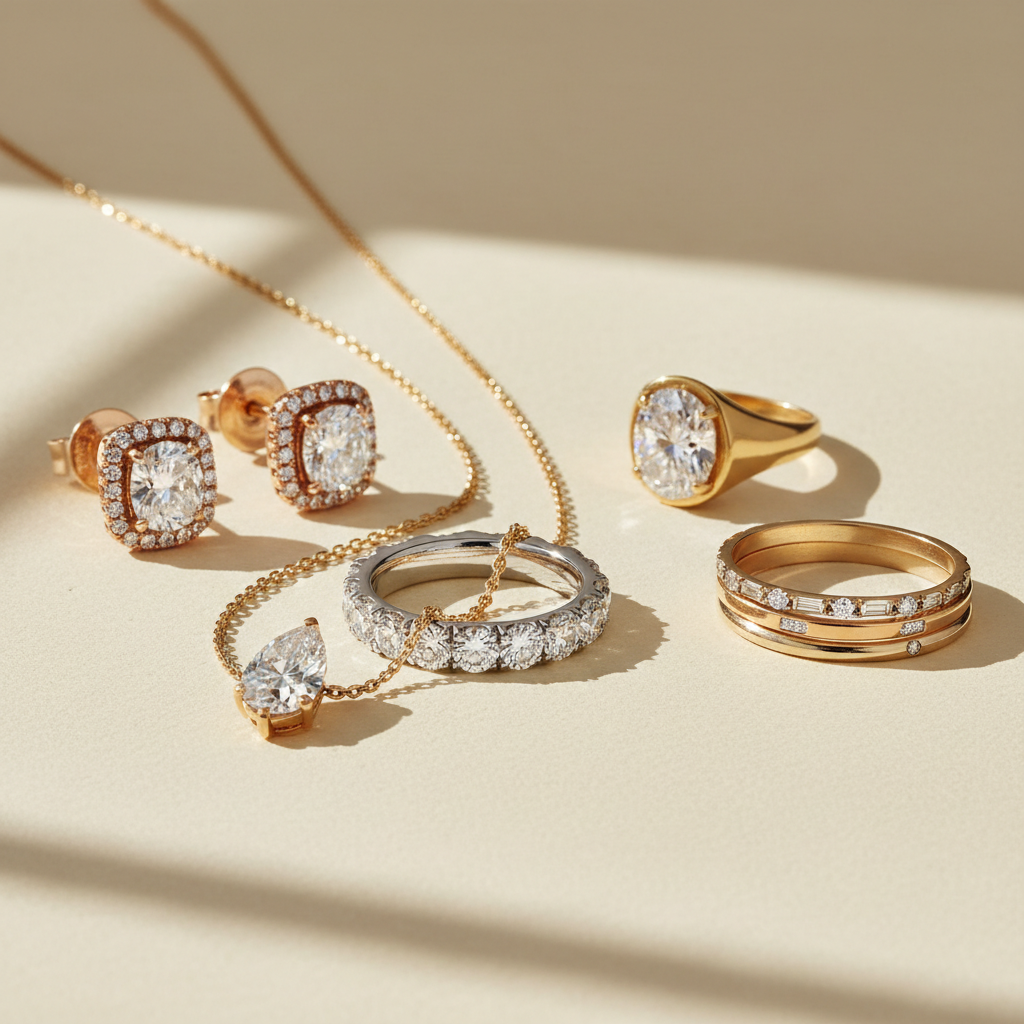
This does not require finding a technically flawless stone. A meaningful choice often comes from looking closely, understanding the qualities that matter to you, and noticing which diamond draws your eye back again.
What a GIA Report Can Tell You
For natural GIA-graded diamonds, the grading report provides a useful foundation for that understanding. It records characteristics such as carat weight, color, clarity, and measurements; applicable reports also include a cut grade. These details offer a shared language for discussing a stone beyond the impression it makes at first glance.
A report is not an appraisal, nor does it tell the future story of a jewel. It also cannot replace seeing how a diamond behaves in different lighting or how its proportions relate to a particular setting.
For an heirloom, however, documentation has lasting practical value. Keeping the grading report alongside photographs, design details, and service records helps the next wearer understand what they have received. The family story and the gemological record serve different purposes, and both deserve to be preserved.
Craftsmanship Gives Longevity a Form
A durable gemstone still needs a thoughtfully made setting. Diamond is highly resistant to scratching, but it can chip, particularly along exposed edges or when subjected to a sharp impact. The way a stone is supported and protected matters.
At UDE Collection, our Los Angeles atelier crafts pieces by hand in 14k and 18k gold and platinum. Designing for lasting wear means considering more than a silhouette: the security of the setting, the balance of the piece, and its suitability for the wearer’s daily habits all belong in the conversation.
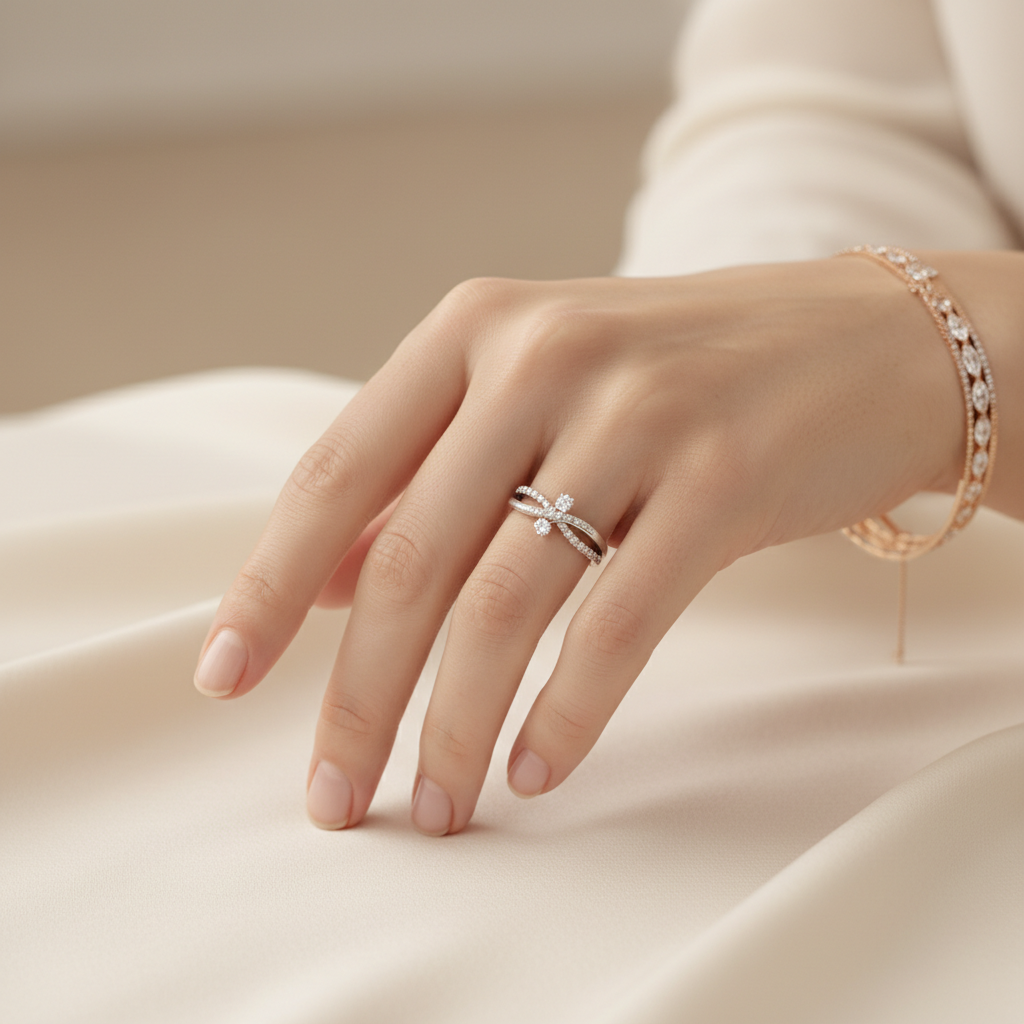
Neither delicacy nor visual simplicity should be mistaken for effortless construction. A restrained design may depend on carefully judged proportions and meticulous finishing. The goal is a piece that feels natural to wear while remaining accessible for appropriate maintenance over time.
Every design can also be made with lab-grown diamonds on request.
Care Is Part of the Inheritance
Heirlooms endure best when care becomes a habit. Periodic professional inspections can identify worn prongs, loose stones, or other concerns before they lead to damage. Gentle cleaning helps remove the residue that can soften a diamond’s appearance, while storing pieces separately helps prevent scratches to neighboring jewelry.
Removing fine jewelry before heavy lifting, strenuous activity, or work involving harsh chemicals is another small practice with long-term importance. Cleaning methods should suit the entire piece, especially when other gemstones or older settings are involved.
Care also includes preserving the less visible details. Write down when the piece was given, why it was chosen, and any changes made along the way. A brief note in someone’s own handwriting may eventually mean as much as the jewel itself.
Continuity Does Not Always Mean Staying Unchanged
Passing down a diamond does not require every generation to wear it in precisely the same way. A ring may become a pendant; a setting may be thoughtfully reworked to suit a different hand or daily routine. Before altering an older piece, its condition, craftsmanship, and historical significance deserve careful consideration.
Sometimes preservation is the right choice. Sometimes adaptation allows a treasured stone to return to everyday life. Either can honor the person who wore it before.
A natural diamond remains meaningful because it can hold both continuity and change. If you would like to explore a future heirloom or thoughtfully revisit an existing piece, we invite you to book an appointment with UDE Collection, Mon–Fri, 10am–6pm PST, by appointment.